
How 5-Hydroxytryptophan (5-HTP) Supports Serotonin Levels Naturally
Apr 10, 2026
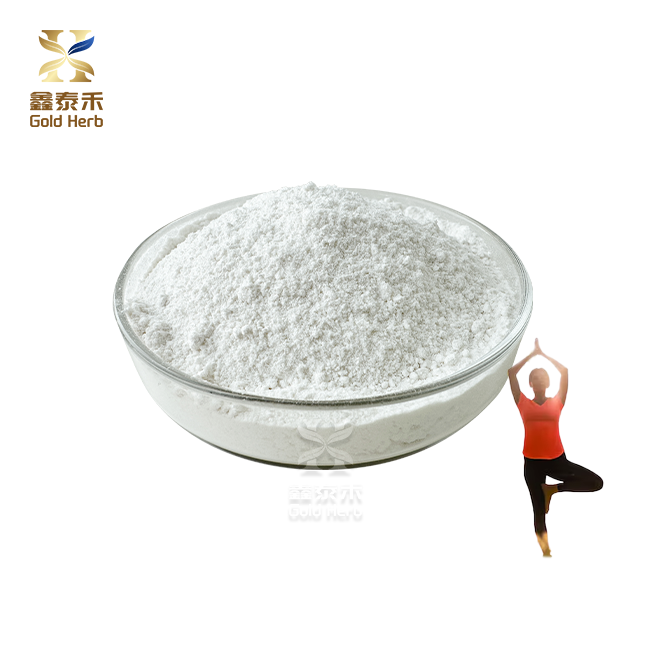
5-Hydroxytryptophan (5-HTP) is a naturally occurring amino acid that serves as the direct precursor for the body's synthesis of the key neurotransmitter—serotonin (5-hydroxytryptamine). Hailed as the "happiness hormone," serotonin plays a crucial role in regulating mood, sleep, appetite, cognition, and stress responses. When serotonin levels within the body are insufficient, it can lead to issues such as low mood, anxiety, insomnia, and appetite disturbances. 5-Hydroxytryptophan (5-HTP) offers a natural pathway that bypasses the body's internal synthesis bottlenecks, thereby directly supporting serotonin levels in the brain.

How 5-Hydroxytryptophan (5-HTP) Naturally Supports Serotonin Levels: Bypassing the Rate-Limiting Step
The body's natural pathway for synthesizing serotonin begins with the essential amino acid, tryptophan. After tryptophan is consumed through food, it must first be converted into 5-Hydroxytryptophan (5-HTP) within tissues—such as the brain—through the catalytic action of tryptophan hydroxylase (TPH). This specific step constitutes the rate-limiting step of the entire process. Subsequently, with the assistance of aromatic L-amino acid decarboxylase (AADC) and the cofactor Vitamin B6, 5-Hydroxytryptophan (5-HTP) undergoes rapid decarboxylation to produce serotonin.
However, this natural pathway is subject to several efficiency bottlenecks:
Low Conversion Rate: Only approximately 3% of orally ingested tryptophan is ultimately converted into serotonin.
Competitive Transport: Tryptophan requires specific carrier proteins to cross the blood-brain barrier and enter the brain; however, these carriers simultaneously transport various other amino acids, resulting in inefficient transport.
Susceptibility to Interference: Factors such as stress hormones (e.g., cortisol), insulin resistance, or deficiencies in Vitamin B6 or magnesium can all impair the conversion of tryptophan into 5-Hydroxytryptophan (5-HTP).
The core advantage of 5-Hydroxytryptophan (5-HTP) lies in the fact that it directly bypasses the "tryptophan → 5-Hydroxytryptophan (5-HTP)" rate-limiting step. 5-Hydroxytryptophan (5-HTP) can easily traverse the blood-brain barrier; once inside the brain, it is utilized directly for serotonin synthesis. Its conversion efficiency is significantly higher than that of tryptophan (approximately 70% of orally ingested 5-Hydroxytryptophan (5-HTP) can be converted into serotonin). Consequently, supplementing with 5-Hydroxytryptophan (5-HTP) is regarded as a more direct and effective natural strategy for elevating serotonin levels within the brain.

Potential Health Benefits of 5-Hydroxytryptophan (5-HTP)
By elevating serotonin levels, 5-Hydroxytryptophan (5-HTP) is believed to potentially support mental and physical well-being in various ways, although many of these benefits still require further validation through high-quality clinical research.
Improves Mood; Alleviates Mild Depression and Anxiety
Theoretically, it works by increasing serotonin levels in the brain. Some early and small-scale studies suggest that taking 150–3,000 mg daily for 2–4 weeks may improve depressive symptoms. A study involving patients with Parkinson's disease demonstrated that a daily dosage of 50 mg, taken for four consecutive weeks, helped alleviate depression.
Promotes Sleep; Alleviates Insomnia
Serotonin is a precursor to melatonin, a hormone that regulates sleep. Supplementing with 5-Hydroxytryptophan (5-HTP) may help reduce the time it takes to fall asleep and improve sleep quality by boosting melatonin synthesis. A 2026 study noted that its effects are both time-dependent and specific to sleep states.
Aids in Appetite Control and Weight Management
Elevated serotonin levels can enhance feelings of satiety (fullness) and reduce cravings for carbohydrates and sweets. Some studies support its use in controlling appetite among individuals struggling with binge eating or obesity.
May Alleviate Migraines and Chronic Headaches
Migraines are associated with fluctuations in serotonin levels. By stabilizing these levels, 5-Hydroxytryptophan (5-HTP) may help reduce the frequency of migraine attacks.
May Alleviate Premenstrual Syndrome (PMS)
By regulating serotonin levels, it may help alleviate mood swings, irritability, and anxiety associated with PMS.
Natural Sources and Supplementation Methods
Indirect Sources in Food:
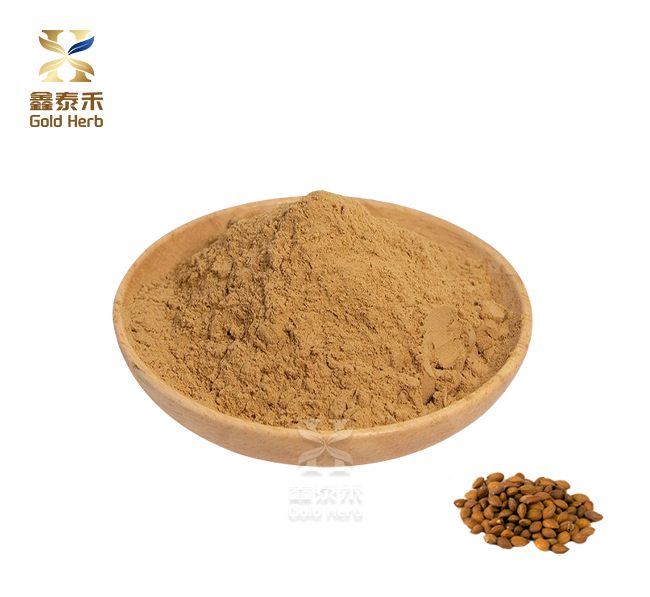
5-Hydroxytryptophan (5-HTP) itself is present in only negligible amounts in common foods and cannot be obtained in sufficient quantities through a standard daily diet. Commercial supplements are primarily extracted from the seeds of *Griffonia simplicifolia*, a plant native to West Africa.
Tryptophan, acting as a precursor, is widely found in foods such as turkey, chicken, milk, cheese, eggs, nuts, legumes, and bananas. A balanced intake of these foods helps provide the body with the raw materials needed to synthesize 5-Hydroxytryptophan (5-HTP), though this process is limited by the aforementioned conversion efficiency.
5-Hydroxytryptophan (5-HTP) Supplements:
Common Dosage: It is typically recommended to start with a low dose (e.g., 50 mg/day) and adjust it based on individual response. The general dosage range for improving mood or sleep falls between 50 and 300 mg per day.
Timing of Intake: To improve sleep, it is recommended to take the supplement 30 to 60 minutes before bedtime; to regulate daytime mood or control appetite, it may be taken during the day or before meals.

Important Safety Considerations and Side Effects
Common Side Effects: These include nausea, stomach discomfort, bloating, diarrhea, headaches, drowsiness, or dizziness; these symptoms are typically mild.
Serious Risk—Serotonin Syndrome: This is the most critical risk to be aware of. It is strictly prohibited to take 5-Hydroxytryptophan (5-HTP) concurrently with the following medications:
Selective Serotonin Reuptake Inhibitors (SSRIs): Such as fluoxetine, paroxetine, sertraline, etc.
Monoamine Oxidase Inhibitors (MAOIs): Including certain antidepressants or medications for Parkinson's disease.
Other Serotonin-Increasing Medications: Such as tramadol, dextromethorphan, etc.
Combining these substances can lead to a rapid and severe elevation in serotonin levels, triggering life-threatening Serotonin Syndrome. Symptoms include high fever, convulsions, confusion, cardiac arrhythmias, and other severe manifestations.
Contraindications for Specific Populations: Pregnant and breastfeeding women should avoid using this supplement. Individuals with heart disease, high blood pressure, hepatic or renal insufficiency, or autoimmune disorders should exercise extreme caution. Use should be discontinued at least two weeks prior to any surgical procedure.
Long-Term Use and Product Quality: Data regarding the safety of long-term, high-dose use remains insufficient, and the quality of commercially available supplements varies significantly. It is recommended to choose reputable brands, and—prior to use—it is imperative to consult a physician or healthcare professional, particularly if you are currently taking any medications or have underlying health conditions.

Conclusion
By providing a direct precursor for serotonin synthesis, 5-Hydroxytryptophan (5-HTP) bypasses the efficiency bottlenecks inherent in the body's natural synthesis pathways, thereby offering a potentially effective means of naturally boosting serotonin levels in the brain. While it shows promise in areas such as mood regulation, sleep improvement, and appetite control, it is by no means a "magic pill." Its effects vary from person to person, the supporting evidence base still requires further strengthening, and there are distinct risks regarding drug interactions as well as limitations regarding its suitability for certain populations. Before considering the use of 5-Hydroxytryptophan (5-HTP) supplements, it is crucial to undergo a comprehensive health assessment and seek professional guidance. For most individuals, maintaining a balanced diet (ensuring adequate intake of nutrients such as tryptophan and Vitamin B6), engaging in regular physical exercise, and managing stress remain the cornerstones for supporting healthy serotonin levels.
Contact our team at info@newgoldherb.com or visit newgoldherb.com to explore how our 5-Hydroxytryptophan powder supplier services can enhance your product portfolio and accelerate market success.

Send Inquiry
Related Industry Knowledge
- How does garcinia cambogia extract work?
- Fenugreek for Men: Natural Testosterone & Libido Booster
- Fisetin vs Quercetin: Which Is Better for Anti-Aging?
- Urolithin A vs NMN: Which Is Better for Anti-Aging?
- How Gymnema Sylvestre Extract Powder Is Used in Weight Management R&D
- Chlorophyllin for Skin & Detox: Benefits, Uses, and Industry Applications
- 5-Hydroxytryptophan for Sleep & Mood Support | Natural Serotonin Booster Explained
- How Blue Matcha Butterfly Pea Flower Powder Is Used in Clean Label Drinks
- Ergothioneine Powder for Skincare & Supplements | Supplier Guide
- Ergothioneine: Unlocking B2B Opportunities in the Functional Nutrition Market