
How to Use blue spirulina extract in Daily Wellness
Sep 09, 2026
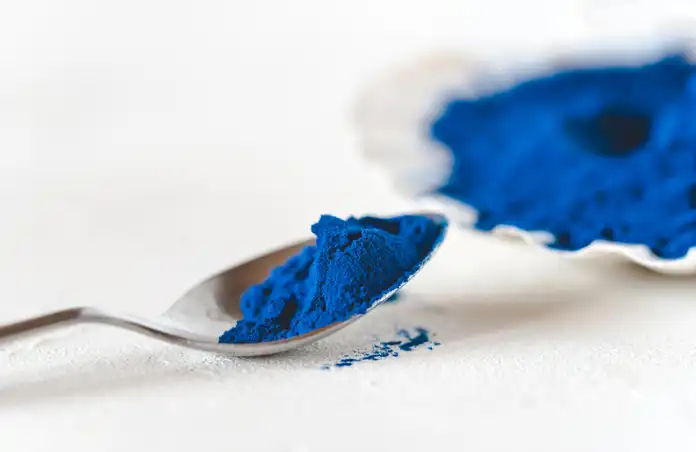
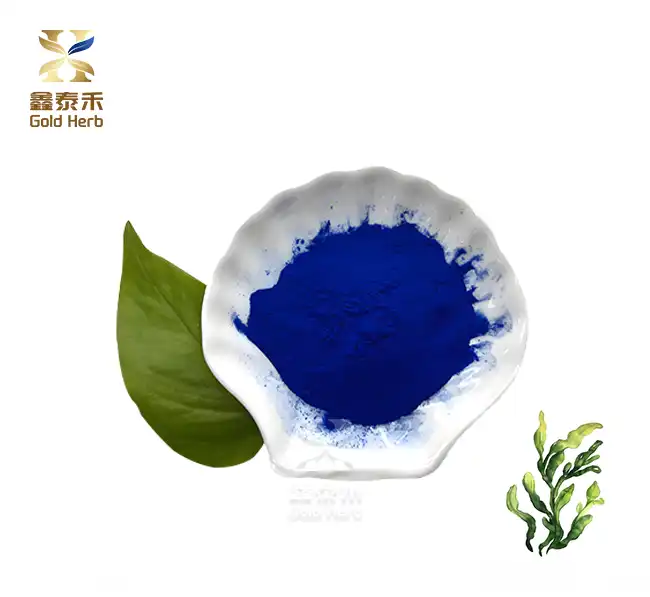
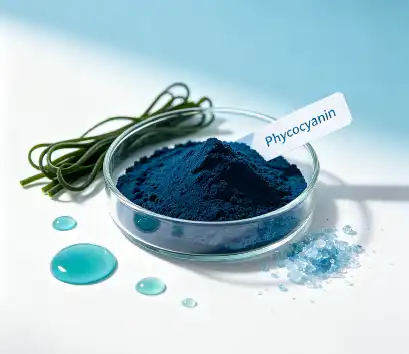
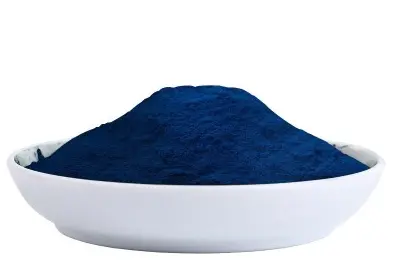
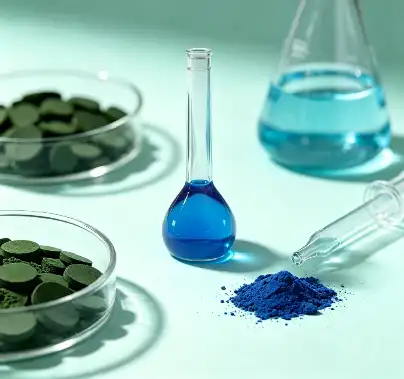
Blue spirulina extract is a water-soluble pigment-protein complex known as phycocyanin, produced from Arthrospira platensis. It has a bright blue colour and smells like regular spirulina. It has a wide range of antioxidant action, assists immunological control, and gives natural cell protection. Today’s clean-label market may greatly enhance both effectiveness claims and consumer appeal by knowing how to strategically use this chemical in product lines for nutraceutical formulators, functional food developers, and cosmetic chemists.
Blue Spirulina Phycocyanin Powder Information
|
Product Name |
Blue Spirulina Phycocyanin Powder |
|
Source |
Spirulina platensis |
|
Main Component |
Phycocyanin |
| CAS Number | 11016-15-2 |
| Molecular Formula | C34H39N3O6 |
| Molecular Weight | 585.71 |
|
Appearance |
Blue Powder |
|
Color |
Natural Blue |
|
Solubility |
Soluble in Water |
|
Testing |
UV / HPLC |
| Solubility | Water Soluble |
| pH Stability | Stable at pH 5.0–9.0 |
| Heavy Metals (Pb) | ≤10 ppm |
| Loss on Drying | ≤8% |
| Certificate | FDA, ISO9001, HACCP, HALAL, Kosher |
|
Shelf Life |
24 Months |
|
Packaging |
1kg Foil Bag / 25kg Drum |
Phycocyanin Specification Options
Gold Herb supplies different phycocyanin grades for various formulation requirements.
|
Grade |
Phycocyanin Content |
Application |
|
E18 |
≥18% |
General food coloring applications |
|
E25 |
≥25% |
Beverages and nutrition powders |
|
E30 |
≥30% |
Products requiring stronger blue color |
|
E40 |
≥40% |
Higher concentration pigment applications |
Understanding Blue Spirulina Extract and Its Wellness Benefits
Phycocyanin is recovered from dried spirulina biomass using a controlled aqueous extraction technique. No chemical solvents are used. The resultant blue powder is rich in protein and has a good antioxidant capacity assessed by UV. The E-value from E6 to E40, according to the concentration grade, indicates the quality.
What Makes Phycocyanin Nutritionally Distinct?
The concentrated phycocyanin extract isolates the primary bioactive pigment protein complex compared to the regular spirulina powder. According to studies published in the Journal of Applied Phycology, C-phycocyanin has a demonstrable free radical scavenging impact on peroxide radicals, hydroxyl radicals, and alkoxy radicals. It is not only a dyeing agent; it is a multi-functional chemical. It has a wide-spectrum profile.
Safety Profile and Recommended Use Levels
The investigations thus far show that phycocyanin is safe to be used within normal limits of formulation on a daily basis. The product is FDA-permitted and certified by ISO9001, HACCP, HALAL, and Kosher in compliance with basic international food and supplement legislation. Recommended amounts of phycocyanin powder for adult supplement products are 100 mg to 500 mg per serving and should be validated in the formulation.
How Can Blue Spirulina Extract Enhance Daily Wellness Routines?
Phycocyanin is now being examined more closely by B2B formulators for its real functional versatility. It’s a natural colourant with bioactivity across a number of wellness categories that will appeal to the health-conscious consumer of today.”
The following are the key functional domains where you may get real benefits from phycocyanin:
- Support for Immune Modulation: Natural phycocyanin extract may raise the number of antibody-generating cells and enhance the activity of immune cells, thereby enhancing the body’s potential to maintain baseline immunological defences against environmental stresses.
- Organic phycocyanin has a wide range of free radical scavenging effects, which protect cells from oxidative damage, decrease cellular ageing, and maintain optimal inflammatory homeostasis. Cellular Antioxidant Defence
- Phycocyanin, the main active substance of cyanobacteria, present in blue spirulina extract, stimulates the repair of haematopoietic stem cells, reduces their photosensitivity, and reactivates their proliferation, being an important ingredient for specific functional blood health formulations.
- Phycocyanin may boost the oxygen-carrying capacity of ovarian cells, promote cell regeneration, and scavenge free radicals, providing a significant functional perspective on women’s health supplement products.
These points are clearly of relevance for possibilities of product differentiation. Phycocyanin powder may be readily added into capsules, tablets, functional drinks, and fortified powders. Its vibrant natural colour minimises the need for chemical dyes like FD&C Blue No. 1, helping to establish it as a clean-label product. Innovative formulation strategies might be explored to create antioxidant synergy by the combination of phycocyanin with synergistic actives such as vitamin C or adaptogens like ashwagandha for stress-resilience blends for wellness consumers.
Comparing Blue Spirulina Extract with Other Popular Superfoods
Procurement teams will routinely examine phycocyanin against other similar botanical actives. Understanding how it stacks up against alternatives helps you make better sourcing selections.
Phycocyanin vs. Whole Spirulina Powder
Phycocyanin is only one of several constituents of the complete spirulina powder. It also includes chlorophyll, carotenoids, and lipids. By comparison, concentrated phycocyanin extract offers the separated pigment-protein at a much greater concentration per gram. This is more economical for specialist functional applications where antioxidant or colouring activity is the major target.
Phycocyanin vs. Chlorella and Matcha
Chlorella is known for its detoxifying, chlorophyll properties. Matcha is famous for its caffeine-powered energy and catechin antioxidants. Phycocyanin is unusual in that it has excellent water solubility, a strong permanent blue colour, and fluorescence under UV light, which is of particular value in food and biochemical test applications. “Phycocyanin has a host of benefits that brands developing visually differentiated, clean-label wellness products can’t get from chlorella or matcha.
B2B customers concentrating on the US and EU markets should be aware of the difference between organic-certified phycocyanin and commodity-grade extracts such as blue spirulina extract. Certifications such as USDA Organic, Halal, Kosher, and HACCP provide downstream brand integrity, ensuring uniformity from batch to batch, non-GMO status, and pesticide-free sourcing.
Procuring High-Quality Blue Spirulina Extract for Your Business
There are major downstream sourcing problems in the phycocyanin sector. Quality variations from multiple suppliers might impact the colour stability, protein purity, microbial load, and therefore the product performance. Procurement professionals should employ a systematic assessment approach when choosing manufacturers of blue spirulina extract.
The following are set rules in ethical B2B ingredient sourcing:
- Certification portfolio: Minimum criteria are FDA compliance, ISO9001, HACCP, HALAL, and Kosher certification. The EU CE certification provides coverage of conformity with European distribution channels.
- Test method: UV spectrophotometry is the standard testing methodology for phycocyanin purity determination. Downgrade the provider on the priority list if they don’t have UV-based COA papers with third-party validation.
- Formulation flexibility: Premium providers supply powder, liquid and microencapsulated forms, giving formulators the flexibility to choose the delivery system that works best for each application – beverage, topical serum or encapsulated supplement.
- Supply Chain Transparency: Traceability of raw biomass, extraction, purification, spray-drying, and final powder testing to provide quality control at every step of the manufacturing process.
- These requirements collectively consider a supplier’s capacity to dependably sustain commercial-scale manufacturing without affecting the homogeneity of the formulation. Working with suppliers who have pre-stocked inventory and provide OEM/ODM development services can help brands save time to market with aggressive launch timeframes.
Case Studies & Best Practices in Using Blue Spirulina Extract for Wellness Products
Phycocyanin has been discovered to be popular among customers for the addition of a wide variety of product categories in the nutraceutical and functional food sectors. Sports nutrition marketers are beginning to include phycocyanin in recovery mixes to use its antioxidant profile to promote cellular preservation post-exercise. Its rich blue tint is in demand by functional beverage producers to create eye-catching beverages without synthetic colours — a commercially sought quality in the premium wellness business.
Cosmetic formulators have begun adding phycocyanin to antioxidant serum bases to bolster anti-ageing claims, since it is naturally produced and has a free radical-neutralising action. Verifiable quality documentation – batch certificates of analysis, third-party test reports, and regulatory compliance files – in all cases proved critical to a successful market launch and retail customer acceptance.
The optimum method, applying to all these reasons, is to obtain from sources that can deliver standardised extracts with proven purity grades, not commodity powders of undetermined concentration. That’s what separates items that perform as promised from those that don’t pass stability testing.
Conclusion
Phycocyanin is not a trendy ingredient but a scientifically proven, multi-application active ingredient that is catching attention in the nutraceutical, functional foods, and cosmetics sectors. Its antioxidant action, natural blue colour and clean label credentials make it a highly adaptable solution for B2B formulators. Like any high-value botanical effort, the choice to acquire comes down to supplier quality standards, depth of certification, and production transparency. Choosing the proper partner for blue spirulina extract is crucial for the efficacy of your product and for the continued faith in your brand.
FAQ
1. Is phycocyanin stable in beverage formulations?
Phycocyanin maintains colour and bioactivity within a pH range of 4.5 to 8.0. It performs best in cold or ambient-temperature beverages. Thermal processing above 60°C may reduce activity, so low-temperature processing or microencapsulation is advisable for hot-fill applications.
2. What dosage forms are available for commercial production?
Phycocyanin is commercially available as spray-dried blue powder, liquid concentrate, and microencapsulated formats. Powder formats are the most widely used for capsules, tablets, and dry beverage mixes due to their shelf stability and handling ease.
3. How does phycocyanin pricing compare with other superfood actives?
Phycocyanin concentrate carries a premium over commodity spirulina powder due to the additional extraction and purification steps required. However, its higher potency per gram means effective use levels are lower, which can offset per-unit formulation costs considerably.
4. What certifications should I require from a supplier?
At minimum, require FDA compliance documentation, ISO9001, HACCP, and Halal or Kosher certification. For the U.S. and EU markets, third-party COAs with UV-based purity verification are standard procurement requirements.
Partner with Gold Herb for Trusted Blue Spirulina Extract Supply
Gold Herb supplies certified blue spirulina phycocyanin to nutraceutical, cosmetic, and functional food manufacturers across 30+ countries. As a reliable blue spirulina extract supplier, we maintain ready inventory with 3–5 business-day U.S. warehouse fulfilment, full OEM/ODM customisation, and a complete certification portfolio including FDA, ISO9001, HACCP, HALAL, and Kosher. Request your sample or bulk quote today at info@newgoldherb.com.
References
1. Romay, C., et al. "C-Phycocyanin: A Biliprotein with Antioxidant, Anti-Inflammatory, and Neuroprotective Effects." Current Protein & Peptide Science, 2003.
2. Grover, P., et al. "Phycocyanin: A Potential Drug for Cancer Treatment." Journal of Cancer Research and Therapeutics, 2016.
3. Kuddus, M., et al. "Pharmacological and Industrial Uses of C-Phycocyanin." Recent Patents on Food, Nutrition & Agriculture, 2013.
4. IACM Colour Technical Committee. "Spirulina Extract Colour Profile". International Association of Colour Manufacturers Industry Report, 2020.
5. Deng, R., & Chow, T.J. "Hypolipidemic, Antioxidant, and Anti-inflammatory Activities of Microalgae Spirulina. "Cardiovascular Therapeutics, 2010.
6. Eriksen, N.T. "Production of Phycocyanin—A Pigment with Applications in Biology, Biotechnology, Foods, and Medicine." "Applied Microbiology and Biotechnology", 2008.

Send Inquiry
Related Industry Knowledge
- PQQ Powder: Benefits, Forms, Dosing
- Does fisetin reduce senescence in skin?
- Everything You Need to Know About Zeaxanthin
- Urolithin A Benefits And The Role Of Your Gut Microbiome
- What Is Phosphatidylserine (PS) Benefits, Uses and How It Works
- Kava Extract vs Valerian extract Benefits Compared
- What Does Kudzu Root Powder Do To Your Skin?
- Cistanche Tubulosa Extract vs Tongkat Ali: Key Differences & Benefits
- Which is better, niacinamide or Centella asiatica extract?
- Where to Buy Pharmaceutical-Grade Gymnema Sylvestre Extract Powder?