
Phycocyanin Benefits: A Natural Treasure for Health
Sep 16, 2026
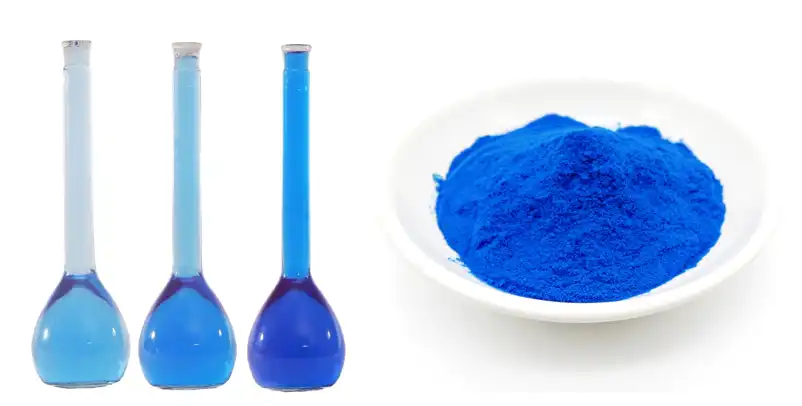
The phycocyanin powder derived from Spirulina platensis is fast gaining a reputation as one of the most effective bioactive pigments of nature. This bright blue protein-pigment combination has broad-spectrum antioxidant activity, immune-supporting qualities, and impressive cellular protective effects. B2B procurement experts in nutraceuticals, food production, and cosmetics no longer have a choice but to comprehend these advantages as a strategic sourcing advantage. This tutorial tells you why spirulina phycocyanin is so useful and how you may acquire it confidently.
Product Specifications
| Item | Specification |
|---|---|
| Product Name | Blue Spirulina Phycocyanin Powder |
| Source | Arthrospira platensis |
| Characteristic Component | Phycocyanin |
| Appearance | Blue powder |
| Form | Powder |
| Applications | Food, beverage, supplement and natural-color formulations |
| Testing | Based on the confirmed specification |
| Packaging | 1 kg foil bag / 25 kg fiber drum |
| Documentation | COA, TDS, MSDS/SDS and batch information |
| Shelf Life | 24 months under recommended storage conditions |
What Is Phycocyanin and Why Does It Matter?
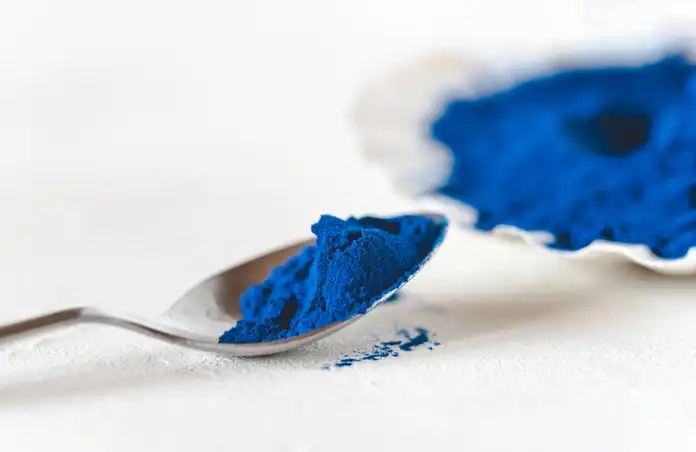
Blue spirulina phycocyanin powder is a pigment-protein combination that is water-soluble. It belongs to the phycobiliprotein family. It is produced from Spirulina platensis alone, by means of water extraction and membrane filtering, and it is a fine, brilliant blue to blue-purple powder. The chemical name is 11016-15-2. HPLC testing confirms Gold Herb to be 98% pure at this time.
This ingredient represents an essential food business product as it may be utilised as a clean-label natural colourant and biologically active nutritious product. Synthetic dyes like Brilliant Blue FCF are becoming a growing concern for US and EU authorities. Spirulina phycocyanin is one of the few natural blue colourants authorised by the FDA and available for large-scale application.
The 98% standard specifies that the product has a very high concentration of chromoprotein, such that the colour and biological activity are the same from batch to batch. Gold Herb's phycocyanin is rigorously tested, including heavy metal panels, microbiological safety screening, and residual solvent screening. These tests generate the full COA with batch traceability. Certifications include FDA, ISO 9001, HACCP, HALAL, and Kosher, meeting the audit criteria for food facilities in almost all regulated markets.
Health Benefits of Phycocyanin — Evidence-Based Insights
There is a lot of good science on C-phycocyanin, and it is growing. For those of you in procurement, here’s what you need to know about the value that this ingredient contributes to the end product:
Antioxidant and Anti-Inflammatory Activity
Organic phycocyanin powder works to get rid of a broad spectrum of free radicals. It eliminates peroxide radicals, hydroxyl radicals, and alkoxy radicals, some of the most damaging reactive oxygen species in living organisms. It blocks these damaging chemicals and so protects the cell membranes, proteins, and DNA from oxidative damage. It reduces the inflammatory response associated with chronic degenerative diseases. This makes spirulina powder phycocyanin a superb active ingredient for premium health beverages and supplements targeting oxidative stress.
Immune System Modulation
Natural phycocyanin extract has been found to enhance the number of cells that produce antibodies and to increase the synthesis of immunoglobulins. It stimulates various immune cells simultaneously, such as NK cells and macrophages. These effects act together to strengthen the primary defence system of the organism. This makes phycocyanin a key element for immune-boosting supplements and meals.
Hematopoietic and Cellular Regeneration Support
Another lesser-known advantage of spirulina phycocyanin is the fact that phycocyanin powder assists in the production of blood cells. Research shows it can reduce the loss of blood cells in the circulation, restore the function of haematopoietic stem cells, and make stem cells less susceptible to light when they are under oxidative stress. Phycocyanin is unique among bioactive chemicals that originate from plants since it may increase cell growth again.
Ovarian Health and Cellular Oxygen Utilization
More and more research is examining ovarian biology and cellular function, creating growing interest in ingredients studied in this area. Spirulina's phycocyanin has been proven to enhance the amount of oxygen that ovarian cells can carry, to speed up cell regeneration, and to reduce the build-up of free radicals in some locations. This helps the ovaries stay healthy and work appropriately. This software is particularly helpful for firms that create women’s health supplements and are looking for distinctive, science-backed ingredients.
Phycocyanin vs. Other Algae-Based Ingredients
A lot of buying teams first want to know how phycocyanin stacks up against chlorella extract or whole spirulina powder. The difference is very important for positioning and formulation.
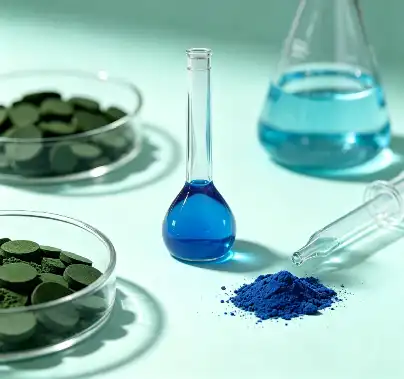
Whole spirulina has phycocyanin as one of its many parts, but chlorophyll, proteins, and carbs lower the amount of this blue color that it has. In contrast, chlorella has a lot of chlorophyll and almost no phycocyanin. It doesn't have the deep sapphire blue color or the strong protective power of a 98% phycocyanin standard.
When used as a colorant in sweets, cold drinks, frostings, and personal care products, whole algae powders just can't match the color strength or batch consistency of a pure phycocyanin extract. The 98% purity benchmark is the standard for nutraceutical formulations that need to have measurable bioactive content per dose. When buying ingredients for clean-label lines, procurement teams should see phycocyanin as a unique ingredient that can't be replaced with other algae products.
How to Choose the Right Phycocyanin Supplier?
Picking a phycocyanin supplier isn't just about price. The following criteria show what important things matter to high-volume buyers in the food manufacturing and nutraceutical industries.
Here are the main criteria that every buying manager should look at to make sure a seller is qualified:
- Certification stack: The supplier must hold FDA, HACCP, HALAL, and Kosher certifications at minimum. These are non-negotiable for food-plant audits and export documentation across the US, EU, and Middle East markets.
- Testing infrastructure: In-house HPLC, microbiology, heavy metal, and residual solvent testing for phycocyanin powder — not outsourced to third parties — guarantees faster COA turnaround and batch-to-batch reliability.
- OEM/ODM flexibility: The ability to run small-batch shade trials before committing to volume orders is a critical differentiator. Suppliers who can customize specifications and dosage form improve formulation flexibility substantially.
- Logistics capability: US warehouse stock with 3–5 business-day fulfillment improves supply continuity for American buyers managing tight production schedules.
With these standards, you can tell the difference between real production partners and trade middlemen. A trusted manufacturer with its own production lines can offer customized specifications, quick sample delivery, and smooth scaling up. These are all features that improve overall procurement efficiency.
Practical Applications and Market Opportunities
There are many high-growth areas where phycocyanin can be used in business. Procurement experts can better match their buying strategy with market timing when they know where demand is highest.
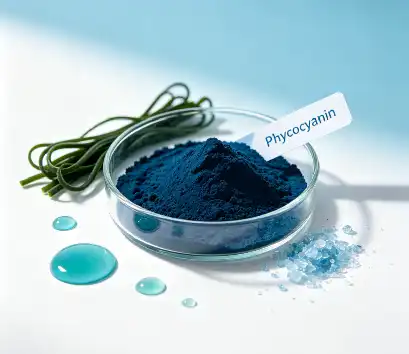
Phycocyanin gives functional drinks and juice bases their bright blue color, which gets people to interact with each other on social media. Since the pigment doesn't like heat, it works best when it's cold-processed or added after heat. It can be used instead of manufactured blue dyes in gummies and canned sweets when added at temperatures below 50°C, and the sugar concentration stabilizes the structure of the pigment. It gives color cosmetics a blue tint that doesn't clog pores and doesn't contain any metals. This makes it good for use on sensitive skin in things like eye makeup and face masks. Pet treat companies that are trying to make the switch to natural colors can use phycocyanin as an alternative that doesn't cause any problems with the FDA.
Blue spirulina phycocyanin has also been shown to stop the growth of some types of tumor cells, such as lung, liver, and colon cell models. Similar effects have been seen in leukemia research. These properties are still being studied by scientists, so they shouldn't be used as clinical claims in consumer markets. However, they do make the ingredient more valuable in the long term for advanced nutraceutical research pipelines.
Related Ingredients
Natural Astaxanthin Powder
Chlorophyll Powder
Gardenia Blue
Safflower Yellow
Gardenia Yellow
Turmeric Curcumin Extract
Conclusion
The use of phycocyanin from spirulina is not a passing fad. It is one of the most strategically valuable natural ingredients available to B2B buyers today because phycocyanin powder can be used for a wide range of purposes, is colorless, has antioxidant activity that can be proven, and can change the way the immune system works. The rules in the US are making demand rise faster, and brands that get stable, high-purity supply lines now will have formulation benefits for years to come. The value of the ingredient is clear for procurement teams looking for their next sourcing partner. Now they just need to find a supplier who can deliver on quality, consistency, and customization.
FAQ
1. What is the standard purity for commercial phycocyanin powder?
Gold Herb's Blue Spirulina Phycocyanin Powder carries a 98% specification confirmed by HPLC. This is the benchmark for premium nutraceutical and colorant applications requiring consistent bioactive content and measurable color value per gram.
2. Is phycocyanin suitable for halal- and kosher-certified products?
Yes. Gold Herb's phycocyanin holds both HALAL and Kosher certifications, alongside FDA, ISO9001, and HACCP. This makes it fully compliant for markets including the US, EU, Middle East, and Southeast Asia.
3. Can the specification be customized for specific dosage forms?
Absolutely. Gold Herb supports OEM/ODM customization covering color value gradients, dosage form adjustment, and packaging specifications. Small-batch trial runs are available before full production commitment.
4. How should phycocyanin powder be stored?
Store in a tightly closed original container, protected from light, in a cool and dry environment. Proper storage preserves color intensity and bioactive stability throughout the product's shelf life.
Source Your Phycocyanin Powder with Gold Herb
One of the companies that makes approved phycocyanin powder is Gold Herb. They offer 98% purity, full OEM/ODM customization, and fast shipping from their US center. Our production standards meet the toughest food plant audit requirements because we are certified by FDA, ISO9001, HACCP, HALAL, and Kosher. Contact us today at info@newgoldherb.com to get your sample or talk about customizing the specifications.
References
1. Romay, C., Gonzalez, R., Ledon, N., Remirez, D., & Rimbau, V. — Current Protein and Peptide Science, 2003.
2. Benedetti, S., Benvenuti, F., Pagliarani, S., et al. — Journal of Medicinal Food, 2004.
3. Belay, A. — Journal of Applied Phycology, 2002.
4. Eriksen, N. T. — Applied Microbiology and Biotechnology, 2008.
5. Deng, R., & Chow, T. J. — Cardiovascular Therapeutics, 2010.
6. Fernández-Rojas, B., Hernández-Juárez, J., & Pedraza-Chaverri, J. — Journal of Functional Foods, 2014.

Send Inquiry

Related Industry Knowledge
- What is phosphatidylserine ps?
- What does taking berberine do for your body?
- What is the difference between L-tryptophan and 5-Hydroxytryptophan(5-HTP)?
- What is urolithin a?
- Kava Extract Powder: Uses in Supplements, Sleep & Mood Support
- Ashwagandha for Men: Testosterone, Stress & Energy Support
- How Resveratrol Supports Cellular Health and Aging
- GMP Gardenia Blue Color for Industrial Food Processing
- Stability of Gardenia Blue Color in Heat Processing
- Fisetin vs Quercetin: Which Flavonoid for Longevity Products?