
What Is Blue Spirulina Phycocyanin Powder Used For?
May 11, 2026
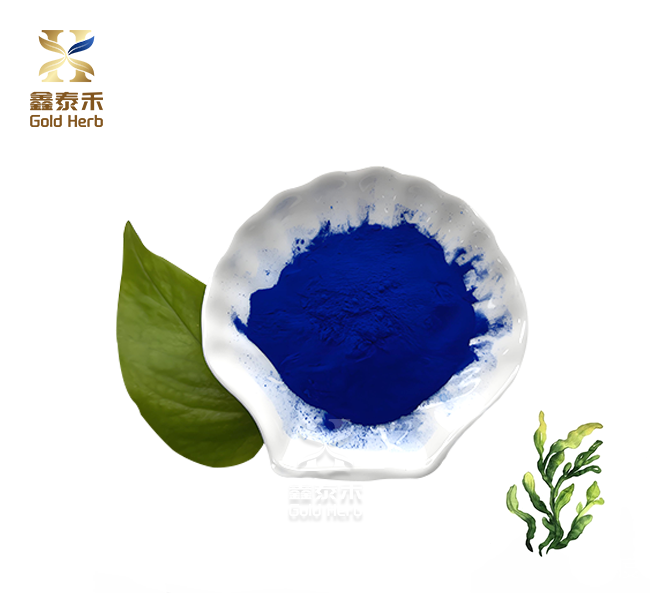
This is a detailed guide for people who work in global B2B buying and similar fields. Blue Spirulina Phycocyanin Powder is a good combo of pigments and proteins that comes from the algae Arthrospira platensis. It breaks down in water. To add a natural color to science, food and drinks, health supplements, makeup, and other things, this fine powder that is bright blue to blue-purple is used. Instead of chlorophyll, which is found in regular spirulina, this special extract separates phycocyanin at a 98% concentration level (CAS Number: 11016-15-2), which gives it its bright blue color and seaweed-free taste.
Understanding Blue Spirulina Phycocyanin Powder
First, a nutrient-dense cyanobacterium called Spirulina platensis is grown in controlled saltwater environments. This is the first step in making Blue Spirulina Phycocyanin Powder. The ways they remove the chromophore molecule phycocyanobilin are safe for the environment and don't change its structure. The unique blue color is made when this molecule joins with an apo-protein.
Natural Origin and Extraction Process
Photosynthesis takes place in alkaline water, which is where Arthrospira platensis does best. This is how phycocyanin is made. Phycocyanin is taken out of the material along with chlorophyll and other parts during the extraction process. First, the cells are broken up, and then the waste is filtered and cleaned. With this method, a concentrated powder is made that keeps its biological properties and is clean enough to be used in food.
Key Physical and Chemical Characteristics
The technical standards for good Blue Spirulina Phycocyanin Powder are made up of a number of things that can be measured. To find the value of a color, spectrophotometers are used at 618nm. When used for normal things, business grades generally measure E18.0, and when used for drugs, they measure E25.0. When you divide A620 by A280, you get the purity ratio, which tells you how good the protein is. Ratios above 0.7 are fine for uses that are safe for food, and numbers above 4.0 are fine for uses that are safe for chemicals.
How many times something can be used is based on its solubility. Water is the only thing that the powder can mix with. It won't mix with alcohol or lipid-based systems. The safe pH range is from 4.5 to 8.0, and precipitation takes place close to pH 3.4, which is also the isoelectric point. You need to be careful when working with temperature-sensitive materials because they break down quickly above 45°C unless they are backed by safe carriers like trehalose or sodium citrate.
Nutritional and Bioactive Profile
Phycocyanin does more than just give things their color; it also gives them a complex nutritional structure. The protein has essential amino acids, and the antioxidant power comes from the molecule's ability to get rid of oxygen radicals, hydroxyl radicals, and alkoxy radicals. Scientists have found that phycocyanin boosts the immune system by creating more cells that make antibodies and improving the function of immune cells. The substance can also reduce inflammation, which helps fix cells that have been destroyed by oxidative stress. Because of this, it can be used to make practical foods that people who care about their health will like.
Storage Requirements and Stability
If you store things the right way, they will always work better and last longer. There should be no light shining on the Blue Spirulina Phycocyanin Powder, so it should be kept in its original, tightly sealed containers. The best places to store things are cool, dry, and out of direct sunlight. The powder will stay bright blue and bioactive for a long time if it is kept properly, which is what purchasing managers who want to stock up on a lot of must-have items expect.

Key Applications of Blue Spirulina Phycocyanin Powder in Industry
There are many ways to use Blue Spirulina Phycocyanin Powder, and each one gets the most out of its special properties to solve its own manufacturing issues.
Food and Beverage Manufacturing
On lists of clean chemicals, there is a big need for natural blue colorants. People who want things without additives can only get Blue Spirulina Phycocyanin Powder, which is the only real option to man-made FD&C Blue No. 1 (Brilliant Blue FCF). Smoothie powders, ready-to-drink health shots, isotonic drinks, candy-like gummies and hard sweets, dairy substitutes, ice cream, and toppings for art foods can all use it.
Problems with technology can make performance less smooth. Because it melts so quickly, the powder doesn't settle when added to drinks. But in places with a lot of acid (below pH 3.5), it might need to be balanced with citrates or capsule technologies. It can be hard to work with different temperatures when you're making candy. When the temperature drops below 60°C, adding Blue Spirulina Phycocyanin Powder keeps the color strong and the biological traits the same. Proteins stick to dairy matrices very well, which helps dairy and frozen food recipes keep their colors fixed and stop bleeding.
Dietary Supplements and Functional Nutrition
The people who make nutraceuticals use Blue Spirulina Phycocyanin Powder for two reasons: it gives the goods a natural color, and it can also do biological things. Because it helps hematopoietic stem cells work and encourages cell growth, the chemical is useful in health products. Supplements come in many forms, such as pills, tablets, powdered drink mixes, and protein blends. They can help you get more energy, protect your cells, and increase your antioxidant levels.
Formulation methods make sure that the right amount is used and also make the drug more bioavailable. The 98% standard level lets you correctly figure out how much of an active ingredient is in a product. This makes sure that the claims on the label are true and that you're following the rules. Blue Spirulina Phycocyanin Powder is liked by companies that make sports nutrition because it comes from plants and helps cells carry more oxygen, which meets the needs of athletes who want clean nutrients that work.
Cosmetics and Personal Care Products
In the beauty business, Blue Spirulina Phycocyanin Powder is prized because it fights inflammation and free radicals. Skin care products use the powder to slow down the aging process, help cells heal, and make the top layer of skin work better. It can be used in serums, lotions, sheet masks, and color cosmetics that need a natural blue tint.
Because making makeup can be hard on the tech side, security and reliability need to be thought about. Since it dissolves in water, it works well in systems that use water. However, it needs to be handled differently in emulsions and other things that don't contain water. Blue Spirulina Phycocyanin Powder is often mixed with other active ingredients that work well together, like ceramides and plant oils, to make anti-aging products that people who prefer natural products to man-made ones will like.
Biotechnology and Research Applications
In labs, Blue Spirulina Phycocyanin Powder is used for something other than making products for sale. It can be used as a marker in fluorescence imaging, flow cytometry, and immunoassays because it glows in UV light. Researchers use Blue Spirulina Phycocyanin Powder to label DNA, white blood cells, and red blood cells. This makes it easy to test things and look at cells. One way to keep track of the environment is to look for cyanobacterial blooms when checking the water for cleaning.

Comparing Blue Spirulina Phycocyanin Powder with Alternatives
It is helpful to know how Blue Spirulina Phycocyanin Powder is different from other ingredients that do the same thing in terms of how it works, how much it costs, and how well it works before you buy it.
Phycocyanin Versus Standard Spirulina Powder
They both come from Arthrospira platensis, but they are taken out in very different ways. Chlorophyll is still in regular spirulina powder, which makes it a dark green color that can't be used for blue things. It also smells like the ocean, which makes it less useful for making things that need to retain their taste. By carefully separating them, Blue Spirulina Phycocyanin Powder gets around these issues and gives you a clear blue color without changing the taste. There is more active ingredient per gram in the condensed form, so it can be used in smaller amounts in recipes.
Comparison with Synthetic Blue Dyes
However, people are turning down synthetic choices like Brilliant Blue FCF that are cheaper and better at handling heat. This is because they are being closely watched by regulators. Companies have to use natural products because of the clean-label trend, even though it can be hard to do properly. This change in the market can be helped by Blue Spirulina Phycocyanin Powder, but the mix might need to be changed to fit its temperature and pH needs. Health, the environment, and being open are becoming more important to people when they decide what to buy, and the money spent on natural options helps the brand's message about these things.
Chlorella and Other Algal Extracts
Chlorella is good for you, but Blue Spirulina Phycocyanin Powder is blue. Blue doesn't come from many other natural sources. The indigo flower and the butterfly pea flower have different color patterns and sizes. The natural colorant Blue Spirulina Phycocyanin Powder is unique because it has a strong color, bioactivity, and regulatory acceptance. It can't be found anywhere else.
Organic Versus Conventional Sourcing
How well a license is known affects both its price and its place in the market. It costs more to buy organic Blue Spirulina Phycocyanin Powder, but it lets you sell your goods in niche markets that need organic approval. Conventional buying is a good choice for people who need to save money. It has quality certificates from the FDA, ISO9001, HACCP, HALAL, and Kosher, which make sure that the goods are safe and the same all over the world.

How to Source and Procure Blue Spirulina Phycocyanin Powder Effectively?
Strategic buying means paying attention to how well your goods work and how stable your supply chain is. This includes how skilled your suppliers are, how they make sure quality, and how they handle logistics.
Supplier Selection Criteria
The production rules and standards are being followed, as shown by the certification files. Want to get certain kinds of customers? Look for providers that are FDA-registered, have ISO9001 quality management systems, follow HACCP food safety rules, and have religious licenses like Kosher and Halal. Traceability methods that keep track of the conditions of growth, the factors of extraction, and the test results give people faith that each batch will be the same.
Because they offer expert support, suppliers who can help with formulation problems are not the same as people who sell products. Having access to application experts and research and development teams can help fix issues with stability, figure out the best dosage levels, and fix issues with processes. When suppliers work with businesses and universities to do research together, they come up with new ideas that speed up the production process.
Pricing Structures and Volume Considerations
Blue Spirulina Phycocyanin Powder costs different amounts based on how pure it is, if it is approved, and how much you buy. The best grade is the 98% normal level, which costs more per kilogram than other levels of purity. Savings on volume usually begin at 100 kg, 500 kg, or 1000 kg, and prices can be changed for setups that use contract manufacturing.
Samples are provided so that new recipes can be tried out before they are sold in large quantities. People you can trust will give you samples with records of analysis that show the color values, purity ratios, and microbial test results. This extra work stops mistakes in the design and legal issues from happening in the future.
Logistics and Inventory Management
Lead times change based on the type of order. Specs normally ship within 24 hours when sellers have more than one ton of stock on hand. Once every 7 to 15 business days, customized recipes need to be made and checked for quality. For urgent orders, there are faster paths that can get them to the right place in 5 to 7 days, but they generally cost more.
For packages to be on time anywhere in the world, international shipping companies like FedEx, DHL, and SF Express make sure they always are. If a seller has stores in the U.S., shipping times are cut to 3 to 5 working days, customs procedures are sped up, and freight costs go down. This is great for American buyers.
OEM and Customization Opportunities
Some services help brands stand out from their competition, such as private marks and unique formulation. As part of OEM services, specs can be changed, dosage forms like powder, liquid, and microcapsules can be changed, and packages can be made to look like the brand. It takes 20 days for full-service providers to finish OEM runs. This means that new goods can hit the market faster.
When going into new areas, having governmental support is very helpful. When sellers give EU-CE paperwork, FDA compliance checks, and test results from a third party, it's easier for internal quality teams to make sure that goods meet standards in the area. People who sell things in the supply chain can become strategic partners who help companies reach their long-term growth goals with this all-around business model.

Conclusion
An important need in business is for natural colorants that look good and do useful things. Blue Spirulina Phycocyanin Powder meets that need. Manufacturers who want to follow clean-label trends should use this ingredient. It is 98% pure, has been approved by many groups such as FDA, ISO9001, HACCP, HALAL, and Kosher, and has biological properties that have been shown to work. It can be used in science, beauty products, dietary supplements, food and drinks, and more, which shows that it is useful enough to justify scientific research and recipe creation. To be good at procurement, you need to work with sellers who can help you with technology issues, make sure your orders get to you quickly, and let you make changes to the items they sell. This makes finding materials a way to stay ahead of the competition.
FAQ
Q1: What is the typical shelf life of phycocyanin powder?
If you keep Blue Spirulina Phycocyanin Powder in a case that is tightly closed and out of light and wetness, it will stay good for 24 months after you make it. It is very important to keep the temperature in check. Things stay more solid when stored below 25°C, and the taste and bioactivity stay even better when they are refrigerated. These certificates show that stable tests were done and that the shelf life claims are true in certain store settings.
Q2: Are there known contraindications or safety concerns?
It has been used for a long time and has a GRAS grade, so we know that phycocyanin from Spirulina platensis is safe. As a safety measure, people who are allergic to fish or algae should get an allergy test. However, attacks are still very uncommon. Microbial tests are done by good companies to make sure there aren't any heavy metals or toxins that are too high. This makes sure the substance is safe to use in medicines, beauty products, and food.
Q3: How does the cost compare with synthetic blue dyes?
The kilogram of Blue Spirulina Phycocyanin Powder costs three to five times as much as the kilogram of man-made powder. But as the market moves toward natural ingredients, finished goods can be sold for more money, which is often enough to cover the cost of the ingredients because they sell for more. Long-term supply deals and buying in bulk lower the cost per unit while making sure that the quality stays the same and the rules are followed.

Partner with Gold Herb for Premium Blue Spirulina Phycocyanin Powder Supply
Gold Herb stands ready to support your formulation needs with pharmaceutical-grade Blue Spirulina Phycocyanin Powder backed by robust quality systems and global logistics infrastructure. As a trusted Blue Spirulina Phycocyanin Powder manufacturer, we maintain permanent U.S. warehouse inventory, enabling delivery within 3 to 5 business days, eliminating supply chain uncertainties that disrupt production schedules. Our technical team, supported by research collaboration with Academician Li Xiaokun and Wenzhou University, provides formulation guidance addressing stability challenges and optimization opportunities specific to your applications. Whether you require samples for initial testing, bulk orders for commercial production, or customized specifications meeting unique formulation requirements, our comprehensive service model accelerates your product development timeline. Contact us at info@newgoldherb.com to discuss your Blue Spirulina Phycocyanin Powder supplier requirements and discover how our FDA, ISO9001, HACCP, HALAL, and Kosher certified ingredients elevate your brand's quality, natural appeal, and market competitiveness.
References
1. Eriksen, N.T. (2008). Production of phycocyanin—a pigment with applications in biology, biotechnology, foods and medicine. Applied Microbiology and Biotechnology, 80(1), 1-14.
2. Sekar, S., & Chandramohan, M. (2008). Phycobiliproteins as a commodity: trends in applied research, patents and commercialization. Journal of Applied Phycology, 20(2), 113-136.
3. Romay, C., & González, R. (2000). Phycocyanin is an antioxidant protector of human erythrocytes against lysis by peroxyl radicals. Journal of Pharmacy and Pharmacology, 52(4), 367-368.
4. Benedetti, S., Benvenuti, F., Pagliarani, S., Francogli, S., Scoglio, S., & Canestrari, F. (2004). Antioxidant properties of a novel phycocyanin extract from the blue-green alga Aphanizomenon flos-aquae. Life Sciences, 75(19), 2353-2362.
5. Madhyastha, H.K., Sivashankari, S., & Vatsala, T.M. (2006). C-Phycocyanin from Spirulina fusiformis: purification and spectroscopic characterization. Biotechnology Progress, 22(4), 1289-1293.
6. Patel, A., Mishra, S., & Ghosh, P.K. (2006). Antioxidant potential of C-phycocyanin isolated from cyanobacterial species Lyngbya, Phormidium and Spirulina spp. Indian Journal of Biochemistry & Biophysics, 43(1), 25-31.

Send Inquiry
Related Industry Knowledge
- Top Benefits of Tongkat Ali Extract for Strength, Energy & Hormones
- Ashwagandha vs Tongkat Ali: Which Is Better for Testosterone?
- How Silymarin Supports Liver Function Naturally
- Best Red Beet Powder for Sports Nutrition Brands
- Ergothioneine vs Astaxanthin: Which Antioxidant Is Stronger?
- How Ginkgo Biloba Leaf Extract Powder Supports Cognitive Health Products
- Fisetin for Anti-Aging: Senolytic Power Explained for B2B Buyers
- Fisetin Powder Manufacturing Process & Purity Standards
- What is the use of garcinia cambogia powder?
- Evaluating Ergothioneine Powder for Cellular Health & Antioxidant Applications: Key Considerations for Formulators