
Phycocyanin: proven benefits, dosages, and what is rarely explained to you
Sep 04, 2026
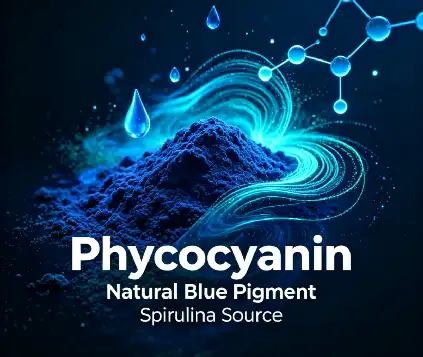
Phycocyanin Powder was an early standout when I joined the natural ingredient sector. Not only because of its vibrant blue hue, but also because of what lies behind the hue. This bioactive pigment-protein complex obtained from Spirulina platensis has been one of the most sought-after components for formulation teams spanning nutraceuticals, cosmetics, and functional foods. The reason it’s intriguing is simple: it answers big industry pain issues. Synthetic blues are facing regulatory scrutiny, clean-label is reigning in talks with consumers, and marketers are looking for multifunctional chemicals. Phycocyanin ticks all the boxes.” Derived from blue-green algae, it provides antioxidant action, immunological support, and natural coloration all at once. But the excitement has led to plenty of confusion on the part of many purchasers about purity standards, the ideal dose, intricacies of extraction, and what really makes a good supply chain partner.
Blue Spirulina Phycocyanin Powder Information
|
Product Name |
Blue Spirulina Phycocyanin Powder |
|
Source |
Spirulina platensis |
|
Main Component |
Phycocyanin |
| CAS Number | 11016-15-2 |
| Molecular Formula | C34H39N3O6 |
| Molecular Weight | 585.71 |
|
Appearance |
Blue Powder |
|
Color |
Natural Blue |
|
Solubility |
Soluble in Water |
|
Testing |
UV / HPLC |
| Solubility | Water Soluble |
| pH Stability | Stable at pH 5.0–9.0 |
| Heavy Metals (Pb) | ≤10 ppm |
| Loss on Drying | ≤8% |
| Certificate | FDA, ISO9001, HACCP, HALAL, Kosher |
|
Shelf Life |
24 Months |
|
Packaging |
1kg Foil Bag / 25kg Drum |
Phycocyanin Specification Options
Gold Herb supplies different phycocyanin grades for various formulation requirements.
|
Grade |
Phycocyanin Content |
Application |
|
E18 |
≥18% |
General food coloring applications |
|
E25 |
≥25% |
Beverages and nutrition powders |
|
E30 |
≥30% |
Products requiring stronger blue color |
|
E40 |
≥40% |
Higher concentration pigment applications |
Understanding Phycocyanin Powder: Composition, Uses, and Safety
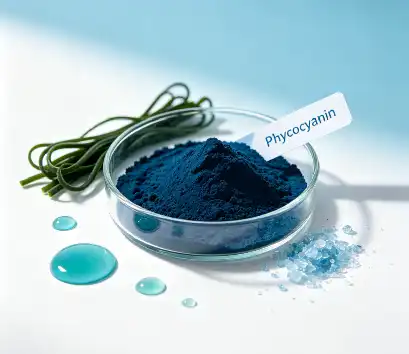
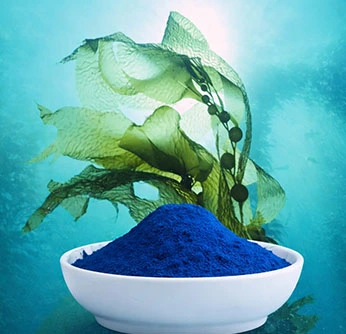
Algae employ a pigment called phycocyanin to gather light for photosynthesis. It belongs to the phycobiliprotein family. The separation technique employs water and ultrafiltration to extract the protein-pigment complex from the basic Spirulina material. Our 98% standard product, a high-purity extract, removes the chlorophyll and polysaccharides you don’t desire. A fine brilliant blue to blue-purple powder with CAS number 11016-15-2 is obtained.
What Makes It Functionally Unique
This extract may be utilized for two separate tasks, unlike produced hues. It is an alternative to Brilliant Blue FCF (Blue No. 1) for use as a colorant in applications where consumers would want clear colors. It has a bioactive action, eliminating hydroxyl and superoxide radicals, stopping the inflammatory processes, and supporting cell regeneration. In 2019, the Journal of Applied Phycology released studies confirming its capacity to neutralize peroxide radicals. This immediately targets oxidative stress, which is a leading cause of aging too fast and chronic inflammation.
Safety Profile and Regulatory Standing
There is evidence that it is safe to use in food, cosmetics, and nutraceuticals. Toxicology tests show that the suggested doses don't have any adverse effects. Our product is certified by the FDA, ISO 9001, HACCP, HALAL, and Kosher, which means it meets strict rules for both U.S. and foreign markets. Stability is maintained, and photodegradation is avoided by storing in sealed containers away from light.
Phycocyanin Powder vs Related Products: Making Informed Procurement Decisions
It can be hard to tell the difference between whole Spirulina Phycocyanin Powder, Chlorella products, and phycocyanin that has been separated. There are big differences that affect both performance and how much something costs.
Purity and Concentration
Phycocyanin makes up around 15 to 20 percent of the total weight of spirulina. It also includes proteins, vitamins & minerals. It’s acceptable for general supplements, but it’s not concentrated enough in bioactivity to be used in specific formulations. Isolated 98% pure extracts deliver consistent color intensity and intended biological effects. This overcomes the issue of batch-to-batch variance with entire algae granules.
Extraction Methods and Quality Markers
Cold water extraction keeps the structure of proteins and their protective power. Phycobiliproteins lose their effectiveness when they are broken down by harsh chemicals or high temperatures. The E6 number, which shows absorbance at 618 nm and pigment content, is a very important quality indicator. Pharmaceutical-grade products have E6 numbers above 4.0 and can be used in advanced nutrition and cosmetic uses.
Certifications as Decision Tools
Certifications show that a supplier is committed to quality systems. With ISO9001, processes are guaranteed to be consistent, HACCP protects against pollution, and HALAL/KOSHER opens up more markets. Teams in charge of buying things should make sure that the certificates cover phycocyanin lines and not just general building operations.
Optimizing Dosage and Application for Maximum Effectiveness
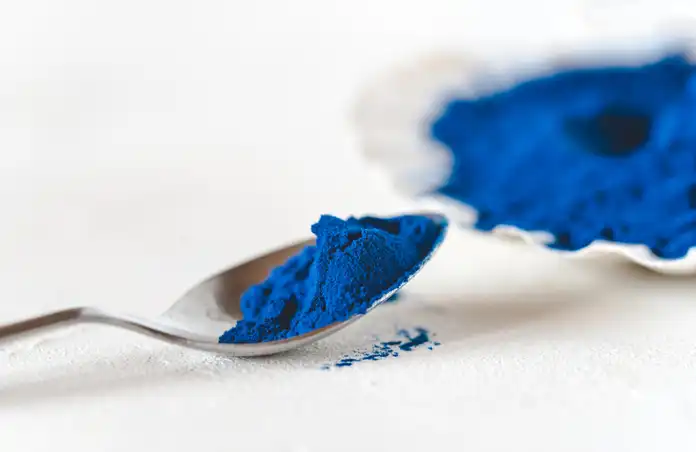
Different applications require different dosing methods. Being aware of these differences helps keep formulations from failing and backs up claims that a product works.
Nutraceutical Supplementation
Doses of 500 mg to 3,000 mg were used every day in clinical trials that were published in Nutrition Research (2020). Lower doses (500–1,000 mg) were enough to support antioxidants and overall health. Higher doses (2,000–3,000 mg) were needed to boost the immune system and reduce inflammation. Our 98% extract makes it possible to precisely dose encapsulated supplements without the need for bulking agents. This improves bioavailability and consumer compliance.
Functional Foods and Beverages
The bright color and high nutritional value of phycocyanin make cold-pressed drinks, shake mixes, and protein powders better. It can't be used in high-heat processes because temperatures above 60°C break down the pigment. Brands do well when they add the extract after the product has been pasteurized or to cold formulas. Stable pH is also important; environments with a pH below 4.5 can cause proteins to precipitate, so buffering or adjusting the pH keeps the color clear.
Cosmetic Formulations
In skin care products, amounts between 0.5 and 2% protect skin cells from oxidative damage and provide antioxidant defense. Because it doesn't clog pores and doesn't contain heavy metals, it can be used in sensitive-area goods like eye creams and serums. Cosmetics & Toiletries (2021) says that tests on formulations with phycocyanin showed that they improved the function of the skin barrier and lowered markers of inflammation.
Handling Best Practices
Dispersion quality is affected by mixing methods. Phycocyanin Powder won't clump if you dissolve it in a small amount of cold water first, then add it to the main batch. Proteins stay intact when they are gently stirred. Keeping food in containers that block light will make it last longer. We suggest amber glass containers with tight lids or opaque containers kept below 25°C.
Navigating the Phycocyanin Powder Market: Procurement Tips and Supplier Insights
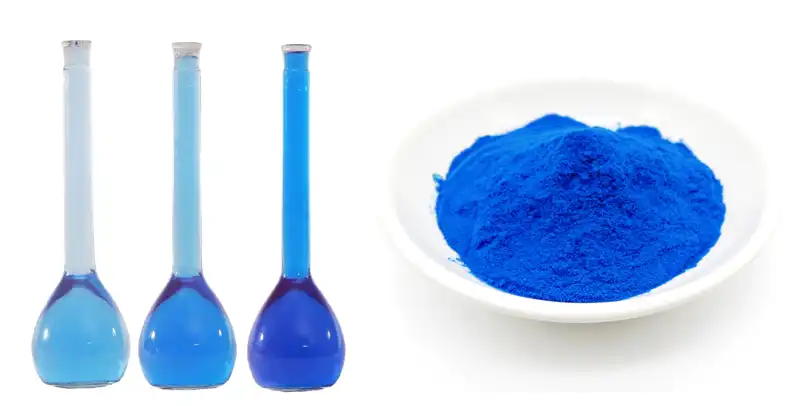
It's not just the price per kilogram that affects sourcing decisions. Long-term relationship success depends on how well you evaluate the supplier's skills, operations, and quality control.
Key Supply Regions and Cost Drivers
China makes most of the world's Spirulina because it has well-established infrastructure for growing it and cheap facilities for extracting it. Organic and specialty types are available from Indian and U.S. sources, but they cost more. The cost of raw materials changes based on how much algae is harvested, which depends on the weather and how long the plants are grown. When you order more than 50 kg, the price per unit is usually 15–25% less than when you order less.
Evaluating Supplier Capabilities
Partners you can trust provide third-party test results that confirm the product's purity, microbial count, and heavy metal levels. Ask for Certificates of Analysis (CoA) for the most recent batches. Being clear about the extraction methods is important—ask if the processes use acids or enzymes, since leftovers can make it harder to position a clean label. Suppliers with their own research and development departments can help with formulating problems and making changes.
OEM and Private Label Opportunities
Custom blends that mix phycocyanin with plants that work well together, like acerola cherry or ashwagandha, make product lines stand out. Our OEM services help with formula development in as little as 20 days, and they cover things like choosing the dosage form (powder, liquid, or microcapsule), the packaging requirements, and the regulatory paperwork. Partners like Gold Herb keep U.S. warehouses in good shape so that orders are filled quickly (3-5 business days), which cuts down on wait times and the cost of keeping supplies on hand.
Certification Alignment
Fit certifications to the people you want to reach. The EU needs Novel Food clearance for some uses; the FDA requires compliance for U.S. nutrition supplements; and HALAL and Kosher reach more people in the Middle East and among religious groups. As regulations change every year, make sure that suppliers give you updated certificates.
What Is Rarely Explained: Hidden Considerations Before Purchasing
A product's performance and total cost of ownership are affected by more than just its technical specs.
Purity Isn't Just a Number
A claim of 98% purity can hide important information. What does the last 2% consist of? Do you need processing tools, trace nutrients, or residual moisture? Fillers and contaminants are kept to a minimum in high-quality extracts. Ask for detailed breakdowns of the ingredients, such as the amount of protein, ash, and moisture. These change how colors mix, how stable they are on the shelf, and what the labels say.
Extraction Process Impact
Bioactivity is kept when the extraction is done in water at controlled temperatures. Some companies speed up the process by using enzymes or alcohol washes, which can break down proteins and make antioxidants less effective. Ask sellers to explain how they do things; in this case, openness means that the product is safe.
Counterfeit Risks and Adulteration
The market need has led to the import of inferior-grade products and falsely labeled commodities. One example of adulteration is the addition of synthetic blue colors to Spirulina powder of poor grade. Methods to verify findings include spectrophotometric studies (absorption spectra at 280 nm and 618 nm) and SDS-PAGE protein profiles. Reliable suppliers will allow for third-party testing and preserve complete records from planting to packing
Regulatory Trends and Emerging Applications
The European Food Safety Authority (EFSA) is still looking into natural colorants, which might affect the timing of product approval and how they need to be labeled. At the same time, cosmetics businesses are looking into the use of phycocyanin in anti-pollution products, taking advantage of its capacity to fight oxidative stresses in the environment. Being aware of these patterns helps buyers better plan for changes in demand and laws.
True Cost Analysis
The first-time buying price is one part. Think about the cost of shipping, the minimum order size, the terms of payment, and the lead time. Logistics are easier when suppliers offer combined shipping or goods based in the U.S. Sample programs let you test formulations before placing big orders. Since our samples are free, you can test them without any risk.
Conclusion
Phycocyanin Powder is more than a natural blue colorant. That’s when clean label consumer desires meet functional ingredient innovation and sustainable sourcing. Teams who understand the biochemical properties, how much to use for each application, quality indicators for extraction, and criteria for grading suppliers can make sensible decisions that make goods stand out and comply with the rules when purchasing. But there are hidden elements like purity disparities, the threat of adulteration, and new norms and regulations that need to be carefully considered, and those that do the effort will be rewarded with superior formulas and market positioning. As companies become more transparent and efficient, they require relationships that are grounded in technological expertise and solid supply chains.
FAQ
1. What differentiates 98% phycocyanin extract from whole Spirulina powder?
Only 15 to 20 percent of whole spirulina is phycocyanin. The rest is made up of proteins, chlorophyll, and minerals. The 98% extract separates the pigment-protein complex through ultrafiltration. This gives the product concentrated bioactivity, a uniform color, and a dose that can be predicted, without the variability that comes with whole algae powders.
2. Are there side effects associated with high-dose supplementation?
Few side effects were seen in clinical tests that used amounts of up to 3,000 mg per day. In very rare cases, mild stomach problems can happen, usually after taking high doses at first. To test your tolerance, you can start at lower levels and slowly raise them. Our product is safe according to FDA standards and goes through strict testing for heavy metals and microbes.
3. How can I verify supplier authenticity and product quality?
Ask for up-to-date Certificates of Analysis (CoA) that show the purity, number of microbes, and heavy metal levels. Ask for spectrophotometric data (absorbance at 618 nm) and find out how the samples will be extracted. Independent lab tests done by a third party back up claims. Strong quality systems are shown by certifications like ISO9001, HACCP, HALAL, and Kosher.
4. Can phycocyanin be used in heat-processed foods?
High-temperature uses are limited by thermal instability. When temperatures go above 60°C, the color breaks down, and the bioactivity goes down. Best used in cold drinks, no-bake foods, or as an addition after processing. Some brands are able to safely add it to low-temperature pasteurized foods that have buffers to keep them stable.
Partner with Gold Herb for Premium Phycocyanin Powder Supply
Shaanxi Gold Herb Co., Ltd. offers 98% pure Blue Spirulina Phycocyanin Powder that is made with cutting-edge technology and globally gathered know-how. We offer more than just ingredients. We also help with formulation and give you information about the market thanks to our strategic partnerships with Academician Li Xiaokun's research team and Wenzhou University's R&D facilities. Our FDA, ISO9001, HACCP, HALAL, and Kosher certifications make sure that we follow the rules in a wide range of regulatory environments. We get rid of supply chain instability by keeping goods in stock in a U.S. warehouse at all times and making delivery faster (3-5 business days). Our OEM services can finish development cycles in less than 20 days, no matter if you need standard specifications or custom blends for private label projects. You can get samples for free, which lets your team check the quality before going full-scale. You can get full product specs, low prices, and technical advice by emailing our procurement professionals at info@newgoldherb.com.
References
1. Journal of Applied Phycology (2019). "Antioxidant Activity and Radical Scavenging Capacity of Phycocyanin Extracted from Spirulina platensis." https://link.springer.com/journal/10811
2. Nutrition Research (2020). "Clinical Efficacy of Phycocyanin Supplementation on Immune Markers and Oxidative Stress." https://www.journals.elsevier.com/nutrition-research
3. Cosmetics & Toiletries (2021). "Natural Blue Pigments in Skincare: Phycocyanin's Role in Anti-Aging Formulations." https://www.cosmeticsandtoiletries.com
4. European Food Safety Authority (EFSA) (2022). "Safety Assessment of Natural Colorants Derived from Spirulina." https://www.efsa.europa.eu
5. Food Chemistry (2018). "Stability and Bioavailability of Phycobiliproteins in Food Systems." https://www.journals.elsevier.com/food-chemistry
6. Phytotherapy Research (2021). "Immunomodulatory Effects of C-Phycocyanin: Mechanisms and Clinical Applications." https://onlinelibrary.wiley.com/journal/10991573

Send Inquiry
Related Industry Knowledge
- What Is Dihydromyricetin Powder? Dihydromyricetin (DHM) Explained
- PQQ Powder Supplementation: What's it About?
- Bacopa Monnieri Extract: Benefits, How It's Used, and Comparisons
- Fenugreek Extract: Your Comprehensive Guide to Supporting Healthy Glucose Levels in 2026
- Why Is Urolithin A Popular in Healthy Aging Supplements?
- Griffonia Seed Extract: Solution for Emotional Wellness
- Why Tongkat Ali Extract Is Popular in Supplement Formulas
- Garcinia Cambogia Extract - Why You Should Try It
- Why B2B Partners Choose Our chlorophyllin sodium copper salt: Premium chlorophyllin sodium copper salt, Professional Service, and Sustainable Value
- Fisetin in Dietary Supplements: Science, Benefits, and Industry Opportunities