
What is garcinia cambogia extract?
Jun 10, 2026
When you look at weight loss goods today, you might see bottles that say "Garcinia cambogia extract" on them. What is this ingredient, though, that food companies all over the world want so badly? In Southeast Asia and India, the tropical fruit Garcinia gummi-gutta grows. The dried fruit skin of this fruit is used to make this herbal product. This is the Garcinia cambogia extract powder. The drug has a lot of hydroxycitric acid (HCA), generally between 50% and 70%. This is why a lot of people want it. Professional-grade extracts, on the other hand, add mineral salts like calcium, potassium, or magnesium to HCA to make it stronger. This makes it easier to get to and keeps it from going bad while it's being kept or made.
The Science Behind Garcinia Cambogia Extract Powder
To understand how this plant product works, you need to look past the surface. The active marking chemical (-)-hydroxycitric acid stops ATP-citrate lyase from doing its job. Fatty acids are made in the body with the help of this enzyme. It takes longer for extra carbs to be turned into fat that can be stored when HCA stops this enzyme. Clinical tests have shown that this process happens. This means that the extract has two functions: it helps control hunger and speed up metabolic pathways.
Research shows that HCA may change the function of serotonin receptors in ways other than helping people lose weight. High amounts of serotonin are linked to better happiness and fewer episodes of upset eating. This makes garcinia cambogia extract very appealing to formulation managers who are making "clean label" goods that don't contain any artificial hormones but still work well.
In this case, the separation process is very important. The best makers use water-ethanol extraction methods that keep the beneficial chemicals and leave behind as few liquid leftovers as possible. After being made, the powder goes through strict HPLC testing to make sure it has the right amount of HCA and that the lactone levels stay below 5%. Lactonization, the chemical change of active HCA into its inactive lactone form, is one of the hardest things to keep an ingredient working well over time.

Why Do Formulation Scientists Choose This Ingredient?
What do R&D leaders and formulation managers look at most when they look at plant-based ingredients? They look at how well they work, how stable they are, and how well they follow the rules. This product made from Garcinia cambogia extract can help with all three of these issues.
The main worry of most people is how stable the materials are. Pure HCA takes in water naturally and breaks down chemically. Products made for professionals that mix HCA with salts that keep it steady can fix this problem. It is possible to handle calcium salts for short amounts of time at 120°C because they are very stable at high temperatures. Because of this, they are great for making pills and tablets. Potassium-magnesium double salts mix better with water, so they can be used in functional drinks, vitamins in liquid form, and pills without changing the way they taste.
It is very important that the quality of each batch is the same when output is increased. Providers you can trust use full-process quality control methods to keep an eye on the raw materials, the conditions of extraction, and the final product. Lab tests should be kept for each batch that shows how much HCA, heavy metals (usually less than 10ppm), bacteria, and liquid waste were checked. It is very important to have this paperwork when following FDA rules or other foreign standards, like EU-CE, halal, or kosher approvals.
When you have rules, you can be sure that something works. A 60% HCA extract has the right amount of the active ingredient, which helps people who make medicines figure out how much to give each person. Standardization lets brands say the same things about their goods, and it gives them the scientific proof they need to stand out in the market. A number of studies that have been studied by experts have looked at how garcinia cambogia impacts body weight, fat metabolism, and other metabolic factors. The science data in these studies helps buying teams decide whether to use new products.

Physical Properties That Matter for Product Development
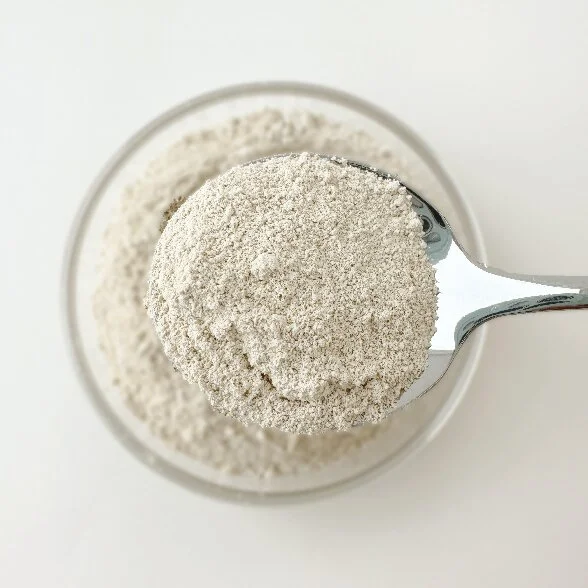
The people who make things need to know the technical details that make a difference in how well they work. Some Garcinia cambogia extract powder is a fine, off-white to pale brown powder that tastes a little sour. It's very important that the particle sizes of the Garcinia cambogia extract powder vary. One way to make sure that powder mixes mix evenly and don't separate is to put 95% of them through an 80-mesh sieve.
This tells you how much to package and how much to fill a pill with Garcinia cambogia extract powder. The bulk density is between 0.45 and 0.65 g/ml. It helps the people who make it decide how much to serve and how long to store it. Not all salts have the same pH. Calcium salts are a little acidic, but magnesium and potassium salts stay stable between 6.0 and 7.5. It's helpful for drinks where the balance of tastes is important that the pH stays the same.
Adding mineral salts to something changes how well it dissolves. This is good for pills and other things that don't need to dissolve right away because calcium-bound HCA is hard to dissolve in water. Salts of magnesium and potassium, on the other hand, mix well with water. They can be used in ready-to-drink drinks, drink mixes that you mix with powder, and vitamins that you take in liquid form. One main material can be used to make many different things because it is very durable.
If you store things the right way, they will stay below 5% wetness. They will not stick and will last longer this way. Bins with lids that close tightly should be kept in cool, dry places out of direct sunlight. This is the right way to store things. These rules make things as easy as possible since they are based on how shops really work.
Real-World Applications Across Market Segments
Nutraceutical businesses are still coming up with new ways to use this adaptable ingredient. Sports nutrition companies put it in pre-workout shakes and meal replacement drinks to use its metabolism-boosting qualities without adding drugs that could get in the way of evening workouts. This is happening because of the clean-label trend—more and more people are looking for natural options to manufactured chemicals.
Functional beverage makers have their own problems with how they make their drinks. They need ingredients that dissolve in water, don't change when heated, and keep working well after being stored for a long time. Potassium-magnesium garcinia cambogia extract powder meets these needs because it dissolves fully without leaving any residue or changing the taste. When mixed with natural fruit oils and other plant ingredients, it helps the product stand out in the health drink area, which is very competitive.
Brands of weight control supplements make up the biggest application group. They make pills, softgels, and powder mixes for people who want natural help with their exercise aims. Garcinia cambogia extract is often mixed with green tea extract, conjugated linoleic acid, or chromium picolinate in multi-ingredient products so that they work better together. The appetite-suppressant qualities work well with these combos and help with different parts of weight loss plans.
Cosmetic scientists are now looking into how to use garcinia cambogia powder on the skin. Early study shows that substances like garcinol may help as antioxidants, but this is still a new use case and not one that has been studied for a long time. As the database of ingredients grows, this could be a good place for personal care brands that want to try out plant-based actives.

Comparing Quality Standards and Sourcing Options
Not every garcinia cambogia extract powder is the same in terms of how well it works. When evaluating providers, procurement teams need to go beyond price points and look at real quality factors. Premium products are different from commodity-grade materials in a number of ways.
- Finding raw materials is the first step in the quality line. Fruit rinds from mature Garcinia gummi-gutta trees that were grown in the best conditions are the starting point for the best products. The location of a source changes the phytochemical makeup. For example, sources from Southeast Asia have different compound rates than sources from India. Sustainable gathering methods are important for both making sure the supply chain works and achieving standards for business social responsibility.
- Professional makers can be told apart from cheap companies by the extraction method they use. Bioactive chemicals are better kept alive with water-ethanol extraction than with harsh liquid methods. Some sellers use countercurrent extraction methods that get the most out of the material while causing the least amount of damage. The pH, temperature, and filter steps used in extraction all have an effect on the quality of the end product. Manufacturers with a good reputation provide thorough working paperwork that shows they follow GMP.
- Rigidity in analytical testing shows dedication to quality control. Basic providers may only be able to give you a proof of analysis that shows the HCA level. Comprehensive testing is done by high-quality providers. This includes HPLC analysis for HCA and lactone content, ICP-MS for heavy metals, microbial testing for total plate count and specific pathogens, pesticide residue screening, and solvent residue proof. They keep stable data that shows how long something will last in different storage situations.
- Certification files show that you can get into a market. Getting FDA approval lets you bring something into the United States. ISO9001 shows how to set up a quality control system. HACCP approval shows that food safety rules are followed. Certifications like Halal and Kosher let stores serve people with certain food needs. Even though organic approval isn't popular for this item, it does give you more choices for premium placement.
There are a few differences between garcinia cambogia extract powder and other ingredients used to lose weight. There are several ways that green coffee bean extract works, but the main way is that chlorogenic acid changes the way glucose is used in the body. Conjugated linoleic acid works on fat cells' metabolism in two different ways. Garcinia cambogia extract is better than caffeine-based ingredients because it stops fat from being made and changes your hunger without making you feel more alert.
Addressing Practical Considerations and Limitations
Objective evaluation requires acknowledging challenges alongside benefits. Formulation compatibility can present obstacles. The slightly acidic nature of some salt forms may interact with pH-sensitive ingredients. Formulators need to conduct stability testing when combining garcinia cambogia extract with other botanical extracts, vitamins, or minerals. Encapsulation in vegetarian capsules works well, but tablet formulations may require binders and flow agents to achieve proper compression characteristics.
- Dosage considerations impact product economics. Clinical studies typically examine dosages ranging from 1,500mg to 2,800mg of HCA daily, divided across multiple servings. This translates to substantial amounts of extract powder in each serving—potentially 2,500mg to 4,000mg of 60% HCA extract daily. Capsule capacity limitations may require multiple capsules per serving, affecting consumer convenience and manufacturing costs.
- Regulatory landscape variations across markets create compliance challenges. While garcinia cambogia extract enjoys GRAS (Generally Recognized as Safe) status in the United States and approval as a food ingredient in many jurisdictions, some countries impose restrictions. The European Union requires specific documentation. Brands entering new geographic markets need suppliers who understand regional requirements and can provide appropriate supporting documentation.
- Consumer education needs shouldn't be overlooked. End users may expect immediate results without understanding that botanical ingredients typically require consistent use over weeks to show effects. Brands incorporating garcinia cambogia extract powder must set realistic expectations through marketing materials and product labelling. This protects brand reputation and reduces return rates.
- Cost-effectiveness varies by specification and supplier. Higher HCA concentrations from Garcinia cambogia extract powder cost more per kilogram but deliver more active compound per gram, potentially reducing overall formula costs. Bulk purchasing arrangements, inventory stocking strategies, and supplier relationships all influence the total cost of goods. Working with suppliers who maintain inventory enables faster order fulfilment—some can ship within 24 hours for standard specifications.

Garcinia cambogia extract
Conclusion
The wellness industry continues evolving toward transparency, sustainability, and science-backed formulations. Garcinia cambogia extract powder exemplifies this direction—a botanical ingredient supported by clinical research, standardized to deliver consistent results, and sourced through traceable supply chains. As consumer sophistication increases, brands that prioritize ingredient quality and transparent communication will capture market share.
Emerging research explores additional applications beyond weight management, including metabolic health support and antioxidant benefits. These investigations may expand the addressable market and create new product positioning opportunities. Technological advances in extraction and stabilization will likely yield even more bioavailable forms, enhancing efficacy and reducing required dosages. Brands establishing strong supplier relationships now position themselves to capitalize on these developments as they emerge.
FAQ
1. How does garcinia cambogia extract powder differ from the whole fruit?
The extract concentrates hydroxycitric acid to standardized levels (50-70% HCA), while whole fruit contains only 10-30% HCA along with fibre, water, and other compounds. Extraction removes inactive components and stabilizes the active compound, delivering consistent potency impossible to achieve with ground fruit powder. This standardization enables accurate dosing and reliable formulation outcomes.
2. Which HCA salt form works best for different applications?
Calcium-bound HCA offers excellent thermal stability for tablets and capsules but limited water solubility. Potassium-magnesium double salts dissolve completely in water, making them ideal for beverages, liquid supplements, and sublingual products. Your application requirements—powder blend versus ready-to-drink format—determine the optimal choice. Most capsule formulations use calcium salts, while beverage applications demand potassium-magnesium complexes.
3. What documentation should I expect from a quality supplier?
Comprehensive suppliers provide certificates of analysis showing HPLC-verified HCA content, heavy metal testing results, microbial limits testing, pesticide residue screening, and solvent residue verification. You should receive batch-specific documentation plus certifications like FDA registration, ISO9001, HACCP, and any relevant dietary certifications. Stability studies demonstrating shelf life under defined storage conditions add significant value for long-term product planning.
Partner with Gold Herb as Your Garcinia Cambogia Extract Powder Supplier
At Gold Herb, we understand that ingredient quality determines your product's success in competitive markets. Our garcinia cambogia extract powder meets the rigorous standards demanded by nutraceutical companies, sports nutrition brands, and functional food manufacturers. We maintain permanent inventory of 50%, 60%, and 70% HCA specifications, enabling rapid fulfillment within 24 hours for standard orders. Our FDA registration, ISO9001, HACCP, Halal, and Kosher certifications ensure global compliance. Backed by technical resources from our partnership with Academician Li Xiaokun's research team, we provide not just ingredients but formulation support throughout your product development cycle. Contact our team at info@newgoldherb.com to request samples, discuss custom specifications, or explore how our garcinia cambogia extract powder can differentiate your product line. With US warehouse operations and over 200 satisfied customers across 30+ countries, we deliver the reliability your procurement strategy demands.
References
1. Semwal RB, Semwal DK, Vermaak I, Viljoen A. A comprehensive scientific overview of Garcinia cambogia. Fitoterapia. 2015;102:134-148.
2. Onakpoya I, Hung SK, Perry R, Wider B, Ernst E. The Use of Garcinia Extract (Hydroxycitric Acid) as a Weight loss Supplement: A Systematic Review and Meta-Analysis. Journal of Obesity. 2011;2011:509038.
3. Chuah LO, Yeap SK, Ho WY, Beh BK, Alitheen NB. In vitro and in vivo toxicity of garcinia or hydroxycitric acid: a review. Evidence-Based Complementary and Alternative Medicine. 2012;2012:197920.
4. Lim K, Ryu S, Nho HS, Choi SK, Kwon T, Suh H, So JN, Tomita K, Kim D, Ohashi K. (-)-Hydroxycitric acid ingestion increases fat utilization during exercise in untrained women. Journal of Nutritional Science and Vitaminology. 2003;49(3):163-167.
5. Hayamizu K, Ishii Y, Kaneko I, Shen M, Okuhara Y, Shigematsu N, Tomi H, Furuse M, Yoshino G, Shimasaki H. Effects of garcinia cambogia extract on serum leptin and insulin in mice. Fitoterapia. 2003;74(3):267-273.
6. Preuss HG, Bagchi D, Bagchi M, Rao CVS, Dey DK, Satyanarayana S. Effects of a natural extract of (-)-hydroxycitric acid and a combination of HCA-SX and niacin-bound chromium on weight loss. Diabetes, Obesity and Metabolism. 2004;6(3):171-180.

Send Inquiry
Related Industry Knowledge
- What Is Black Pepper Extract Powder? Benefits, Uses and Piperine Content Explained
- Is Centella asiatica extract the same as gotu kola?
- Ashwagandha vs Rhodiola: Which Adaptogen Is Better for Stress?
- Best Red Beet Powder for Sports Nutrition Brands
- How 5-Hydroxytryptophan (5-HTP) Supports Serotonin Levels Naturally
- Ergothioneine Powder for Skincare & Supplements | Supplier Guide
- What are the 4 benefits of Lotus Leaf Extract?
- 5-HTP Powder Supplier for Nutraceutical and Dietary Supplement Brands
- Quality Control Standards for Ginkgo Biloba Leaf Extract Powder
- How Dihydromyricetin Is Used in Anti-Oxidant Formulations?