
Why Resveratrol Is Known as the “Longevity Molecule”
Apr 17, 2026
Resveratrol earned its reputation as the "longevity molecule" thanks to a landmark scientific study and the fascinating story of the "French Paradox" that lay behind it. It embodied the immense early hopes scientists held regarding the potential to delay aging and promote health through specific molecular pathways—hopes that persisted even as subsequent research revealed a far more complex picture.
The Origin of the Title: From the "French Paradox" to Scientific Breakthrough
The "French Paradox" Hypothesis: In the 1990s, scientists observed that despite having diets relatively high in saturated fats, the French population exhibited a comparatively low incidence of cardiovascular disease—a phenomenon dubbed the "French Paradox." One prevailing hypothesis suggested that certain components found in the red wine frequently consumed by the French played a protective role.
Findings from Key Research: In 2003, David Sinclair’s team published a groundbreaking study in the journal *Nature*. They discovered that resveratrol—a polyphenol compound found in red wine—could significantly extend the lifespan of yeast cells. Subsequently, similar life-extending effects were observed in worms, fruit flies, and fish.
The Birth of the "Longevity Molecule": These early studies—particularly those elucidating the mechanisms linking resveratrol to caloric restriction (a method known to extend the lifespan of various organisms)—catapulted resveratrol to stardom within the field of anti-aging research, leading the media to dub it the "longevity molecule."

Core Scientific Mechanisms: Mimicking the Effects of "Caloric Restriction"
The central theory surrounding resveratrol posits that it can mimic the benefits of caloric restriction without requiring an actual reduction in food intake. This is achieved by activating a series of key proteins involved in cellular survival, repair, and energy metabolism:
Activation of Longevity Proteins (Sirtuins): This constitutes its most renowned mechanism. Resveratrol is believed to activate SIRT1 (Sirtuin 1), a protein involved in maintaining genomic stability, regulating metabolism, and enhancing cellular resistance to stress—processes closely linked to lifespan extension.
Activation of the AMPK Pathway: Resveratrol activates AMPK (AMP-activated protein kinase), which serves as the cell's energy sensor. When activated, AMPK promotes energy generation (such as through fatty acid oxidation) while inhibiting energy-consuming processes (such as protein synthesis), thereby improving metabolic health. Potent Antioxidant and Anti-inflammatory Effects: As a polyphenol, resveratrol directly scavenges free radicals and inhibits pro-inflammatory signaling pathways—such as NF-κB—thereby mitigating chronic inflammation, a common driver of both aging and various chronic diseases.

Significant Health Benefits Observed in Animal Models
In numerous animal studies, resveratrol supplementation has demonstrated a wide range of positive effects, thereby solidifying its reputation:
Lifespan Extension: In obese mice fed a high-fat diet, resveratrol increased survival rates to levels comparable to those of mice on a standard diet.
Improved Metabolic Health: It enhances insulin sensitivity, lowers blood glucose levels, and improves lipid profiles.
Cardiovascular Protection: It improves vascular endothelial function, reduces oxidative stress, and inhibits the formation of atherosclerosis.
Support for Neurological Health: In animal models of neurodegenerative diseases—such as Alzheimer's and Parkinson's—it has demonstrated effects that protect neurons and improve cognitive function.
Controversies, Challenges, and the Realities of Human Research
Despite its promising potential, research into and the application of resveratrol face significant challenges, which have somewhat tempered the luster of its "longevity molecule" status:
Extremely Low Bioavailability: Orally administered resveratrol undergoes rapid metabolism in the gut and liver, resulting in very little of its active form actually entering the bloodstream (typically less than 1%). This constitutes the primary obstacle to translating the positive effects observed in animal experiments to humans.
Limited and Inconsistent Human Clinical Evidence: Numerous short-term human trials indicate that resveratrol is safe and produces modest improvements in certain biomarkers (such as inflammatory markers and blood glucose levels). However, no conclusive human clinical trials have yet proven that it can significantly extend lifespan. Results across different studies vary widely.
Controversies Regarding Dosage and Formulation: The dosages found effective in animal experiments—when extrapolated to humans—are extremely high (equivalent to consuming tens or even hundreds of bottles of red wine daily); this is both impractical and potentially poses unknown risks. Novel formulations (such as liposomes and nanocarriers) are currently being developed to enhance its bioavailability.
Re-evaluation of the Mechanism of Action: Initial hypotheses regarding its direct activation of SIRT1 have faced scrutiny; subsequent research suggests that its actual mechanism of action may be more indirect or complex.

A Rational Perspective and Recommendations for Use
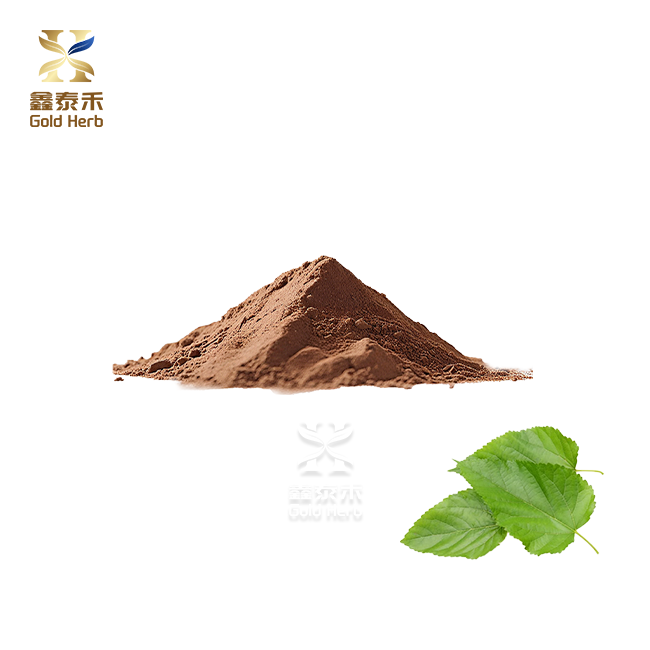
Dietary Sources: Resveratrol is found in grape skins, red wine, blueberries, peanuts, and mulberries. Consuming these foods in moderation as part of a regular diet is both safe and beneficial.
Supplement Selection: If considering supplements, opt for products that employ technologies to enhance bioavailability (e.g., by adding piperine or utilizing specialized delivery forms), and pay close attention to the content of *trans*-resveratrol (the active form).
Dosage and Safety: Common supplemental dosages range from 150 to 500 milligrams per day. High doses (e.g., exceeding 1 gram per day) may cause gastrointestinal discomfort. Due to its mild anticoagulant properties, caution is advised prior to surgery or when taken concurrently with anticoagulant medications (such as Warfarin).
Managing Expectations: Resveratrol should not be viewed as a "fountain of youth." It may serve as a supplementary strategy to support metabolic health and antioxidant defenses; however, its ultimate anti-aging efficacy still requires further validation through long-term, high-quality human studies.

In Summary
Resveratrol earned the title of a "longevity molecule" based on its revolutionary potential—revealed through early basic science research—to activate cellular protective pathways by mimicking the effects of caloric restriction. It has opened a significant window into our understanding of the biological mechanisms underlying aging. However, the journey from the laboratory bench to the medicine cabinet is a complex one. For the general public, resveratrol serves more as a reminder: the true secret to healthy longevity remains deeply rooted in a holistic lifestyle—encompassing a balanced diet and regular physical activity—rather than relying on any single "miracle molecule."
Contact our team at info@newgoldherb.com or visit newgoldherb.com to explore how our Resveratrol powder supplier services can enhance your product portfolio and accelerate market success.

Send Inquiry
Related Industry Knowledge
- Is fulvic acid hard on the liver?
- What Is Cistanche Tubulosa Extract? Uses, Benefits & Science Explained
- What is Berberine HCL?
- Resveratrol Explained: From Antioxidant to Longevity Booster
- Why Is Centella Asiatica Extract Everywhere in Skincare?
- Sulforaphane-Rich Broccoli Seed Extract for Detox Formulations
- GMP Gardenia Blue Color for Industrial Food Processing
- Ginkgo Biloba Leaf Extract Powder for Functional Beverage Formulation
- 5-Hydroxytryptophan(5-HTP)vs L-Tryptophan: Which Ingredient Is Better for Supplement Formulas?
- Ergothioneine: Synthetic biology empowers new value for multi-domain B2B collaborations